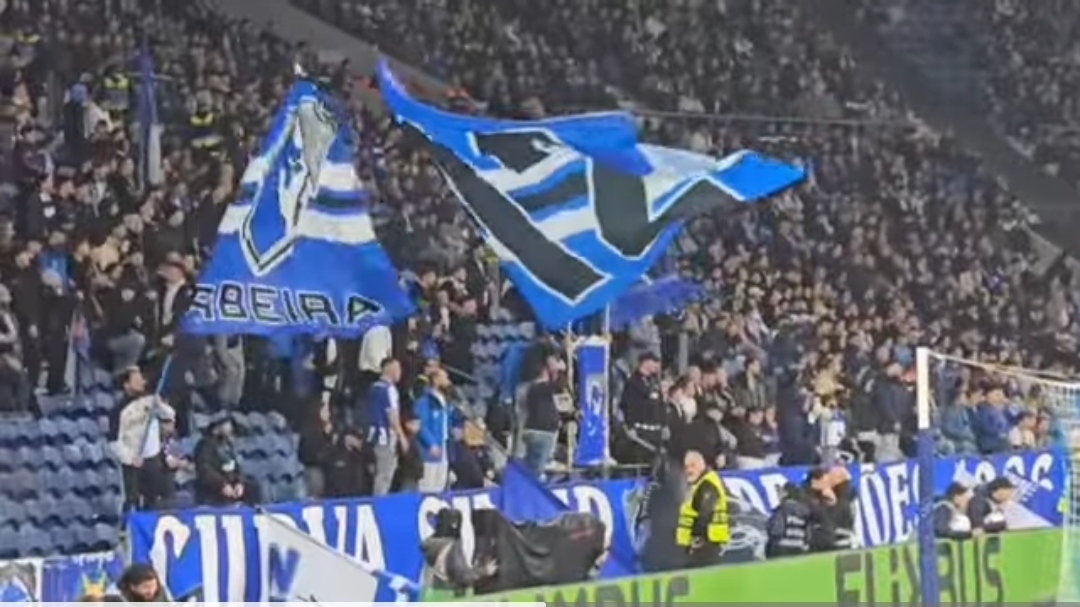
Some sporting institutions are not simply clubs; they are living traditions passed carefully from one generation to the next. Their colours, songs, and stories are stitched into the identity of families who gather week after week not merely to watch a game, but to share a collective memory that stretches across decades. In those moments, the stands become more than steel and concrete—they become a place where belonging lives, where history breathes, and where thousands of voices rise as one.
For supporters who carry such heritage in their hearts, loyalty is never conditional. It survives defeat, celebrates triumph, and travels across cities and borders in unwavering devotion. And when those loyal supporters feel that their safety or dignity has been compromised, the reaction is never quiet. It becomes a powerful chorus demanding respect, accountability, and protection for the very people who give life to the club they love.
It is against that emotional backdrop that a storm has erupted following the dramatic Scottish Cup clash at Ibrox.
After Celtic’s tense victory over Rangers—sealed in a 4–2 penalty shootout following a goalless 90 minutes—the aftermath of the Old Firm showdown has shifted attention away from the pitch and onto the troubling scenes surrounding the matchday experience for travelling supporters.
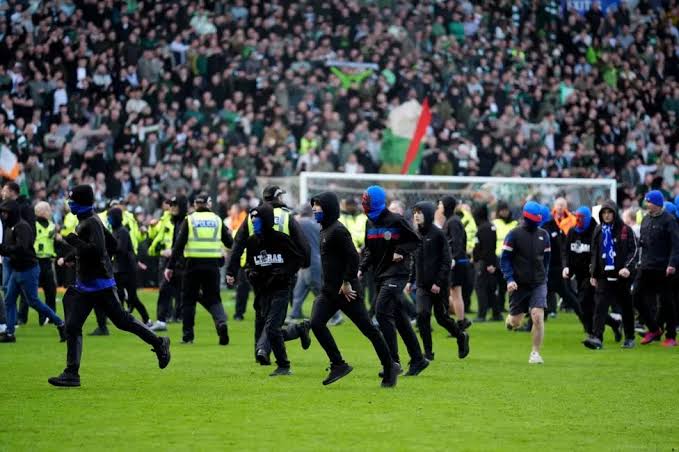
The Celtic Fans Collective (CFC) has now released a powerful statement, directly challenging the handling of events by authorities and raising serious concerns about the treatment of supporters before, during, and after the game.
According to the group, the focus on post-match disorder has overshadowed what they describe as deeply alarming conditions experienced by thousands of Celtic supporters attempting to enter the stadium.
• Supporters were reportedly forced through restricted access routes
• Large crowds were held for extended periods before reaching turnstiles
• Many described the conditions as dangerously overcrowded and “crush-like”
The CFC claims that the situation developed after long-standing entry arrangements were replaced with a system designed to accommodate significantly fewer supporters—despite decades of previous operations that had handled a full Broomloan Stand allocation without major issues.
The group insists that warnings had been raised days before the fixture, yet the concerns were ignored.
“In the week leading up to the match, supporters and club liaison officers repeatedly warned about the entry protocols being proposed. Those warnings were not hypothetical—they were real concerns grounded in experience.”
On the day of the game, the fears quickly turned into reality. Fans describe being funnelled into tight approach routes where movement slowed to a crawl, leaving large numbers trapped in confined spaces for extended periods.
For many supporters, what should have been an afternoon of fierce rivalry and electric anticipation instead became a moment of anxiety and confusion.
• Fans reported long containment periods outside the stadium
• Entry points became severe bottlenecks
• Many described the atmosphere as tense and unsafe
The CFC also strongly criticised the response from Police Scotland during the congestion.
Supporters allege that rather than easing the crowd pressure, officers deployed in riot gear appeared, escalating tensions and leaving several fans injured in the chaos.
“Instead of calming the situation and relieving the congestion, the response seemed to inflame it. Supporters were left asking a simple question—why were lessons from the past not applied?”
For many present, the scenes reportedly echoed memories of the controversial Janefield Street incident in 2018, an event that had already sparked extensive scrutiny of policing approaches surrounding major fixtures in Glasgow.
The concerns did not end once the final whistle blew.
The CFC also highlighted last-minute changes to bus parking arrangements for travelling Celtic supporters, which they claim left many exposed and confused after the match.
In their view, the entire matchday operation raises serious questions about the planning, coordination, and execution of crowd management measures.
• Transport arrangements reportedly changed late in the process
• Supporters struggled to locate buses after the match
• Safety concerns grew as large crowds dispersed into unfamiliar areas
Despite the controversy, the group insists that the solution is not heavier policing or harsher restrictions on supporters.
Instead, they argue that what is needed is something far more fundamental: competence and cooperation.
“Supporters do not need more restrictions. What they need is competent planning, responsible management, and respect for the thousands who travel simply to support their team.”
The statement also placed responsibility on Celtic itself to address the concerns raised by supporters.
In particular, questions were directed toward the club’s Head of Safety, Security and Operations, Mark Hargreaves, whose absence during the operation has become a focal point of frustration among some fans.
“Given the club’s emphasis on supporter safety in recent months, fans would reasonably expect clarity about who was responsible for overseeing these arrangements and why those safeguards appeared to fail.”
Another layer of tension surrounds the ongoing debate about the potential return of the Green Brigade supporters group, with some fans questioning whether trust can be rebuilt while confidence in policing arrangements remains fragile.
Yet amid the controversy, one message from supporters has been unmistakably clear.
The people who fill the stands week after week are not asking for confrontation or conflict. They are asking for something far simpler—and far more important.
• Safe access to stadiums
• Respectful treatment from authorities
• Meaningful engagement between clubs, police, and supporters
For many Celtic fans, the events at Ibrox have struck an emotional nerve.
What should have been remembered as a dramatic cup victory instead carries lingering questions about safety, responsibility, and respect.
And as the debate grows louder across Glasgow and beyond, one thing is certain: the supporters who give their hearts to the club will not allow their voices to be ignored.
Because for those who wear the green and white with pride, protecting the supporters is not just an obligation—it is part of the very soul of the club.